The New Climate, on Medium.com

About

I launched The New Climate in early 2023 as an experiment to build engagement in climate change and the environment on Medium.com. It's since grown into a publication with over 45,000 subscribers internationally, and provided a platform for new writers from around the world. Do join us. 

Featured Articles

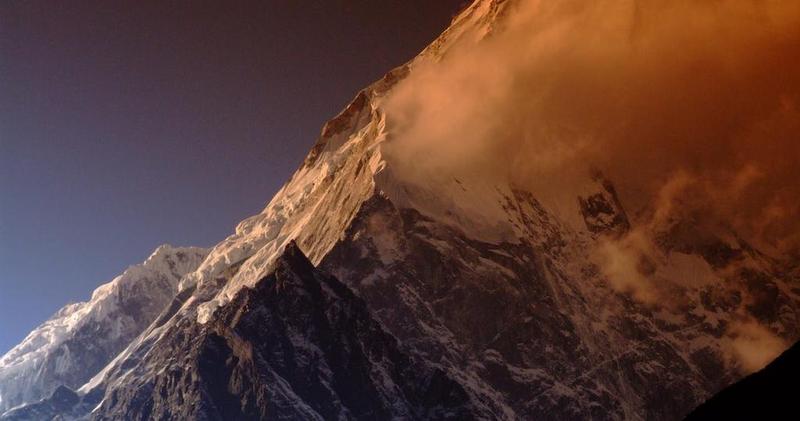
The Nepal-Tibet Glacier Disaster Changes Everything

The August 2026 Nepal-Tibet glacier collapse and debris surge shocked even seasoned UN-disaster responders. The region is well known for glacial lake bursts, flashflooding, landslides and earthquakes — but no-one had seen anything on this scale. The media seems to have settled on calling it the ‘Nepal flood’, but this was no flood. At 8:37am on August 26th, a section of glacier cliff over half a kilometre wide broke off the north face of the Langtang Lirung, hitting the earth almost one mile dow...
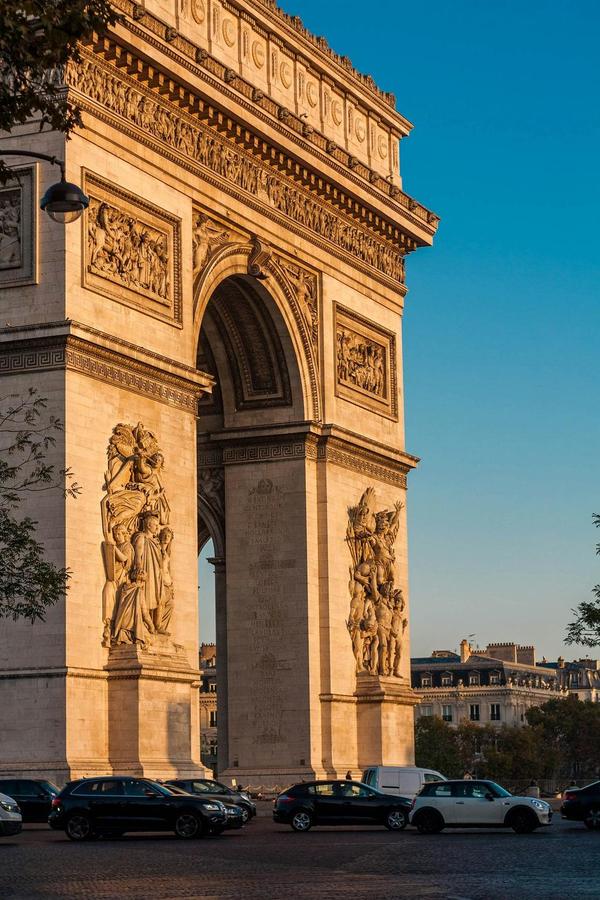
How Paris Triumphed Over Air Pollution (and Cars)

It’s October 2017, and I arrive at the Airparif offices on the south bank of the Seine. Amélie Fritz, an environmental biologist at the city’s official air quality monitoring organisation, shows me upstairs to her office, where a large desk spills over with reports and journal papers. “Paris has quite good luck in terms of geographical conditions”, she begins. “The land is very flat, we are not surrounded by mountains, there is no massive industry, there’s lots of wind and rain–this is quite goo...

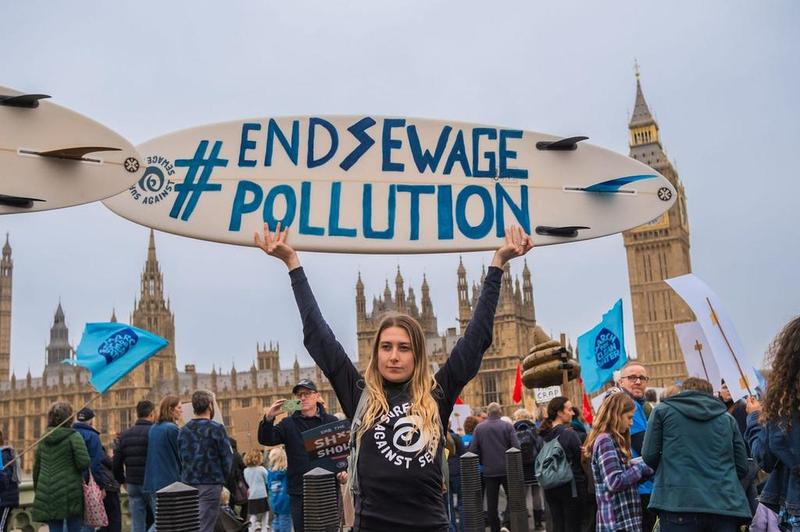
Dirty Business: the True Story of the UK Sewage Scandal

I first met Ash Smith in June 2021. I was in the middle of writing a book, The Last Drop: Solving the World’s Water Crisis, to raise awareness about water issues. Having read about his work at Windrush Against Sewage Pollution, I emailed to ask: would he be up for meeting me, perhaps walking the river together, to tell me more?He generously obliged, and we met later that month near one of the jewels of the English Cotswolds: Bourton-on-the-Water. Here, the River Windrush runs through the chocola...

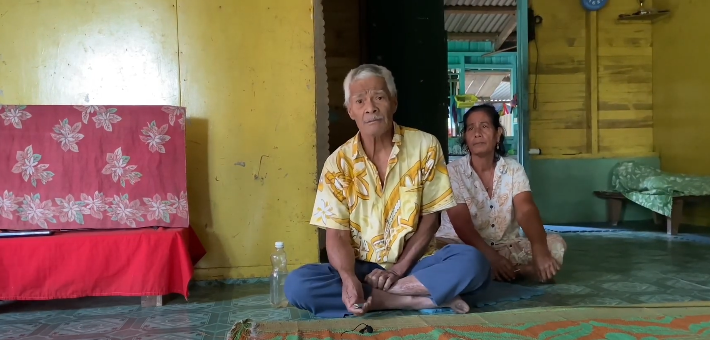
Climate Refugees: How The World Must Act

Banaba, a small Pacific island of just six square kilometres, should be the postcard-picture of paradise. But, Colonialism. In 1945, the British Phosphate Commission — jointly owned by the British, Australian and New Zealand governments—relocated the entire population of Banaba (also known as Ocean Island and part of present-day Kiribati) to Rabi Island (Fiji), in order to mine for phosphate. By the 1980s, the BPC had exhausted the phosphate supply and mined 90% of the Banaba’s surface...

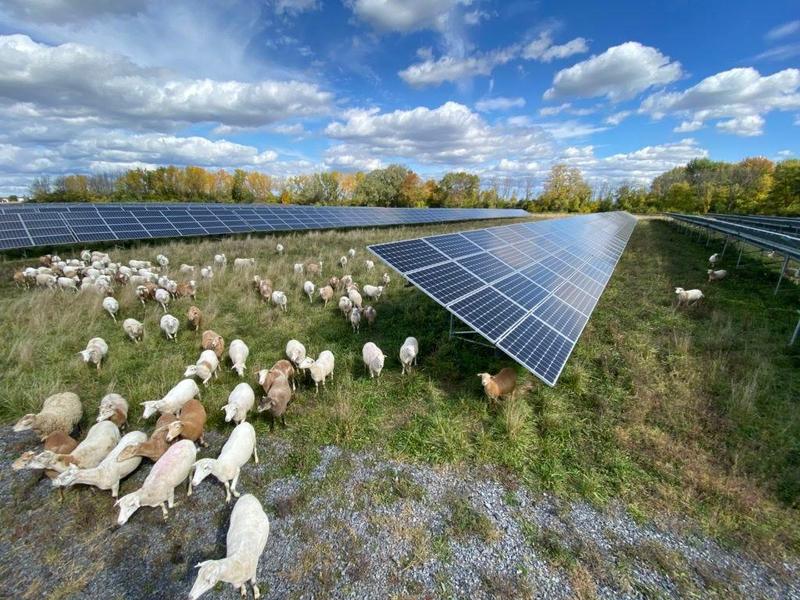
Are Agrivoltaics The Ultimate Climate Win-Win?

Take a train journey through the British countryside, and you’re sure to come across a view like the one in the photo above. When fields full of solar panels — known as solar farms or solar parks—started to become common around 10–15 years ago, I used to gaze out on them with a mix of hope and excitement. They seemed to offer tangible, irrefutable evidence that the renewable energy transition was underway. But as they become more ubiquitous I get a karmic pang of guilt...

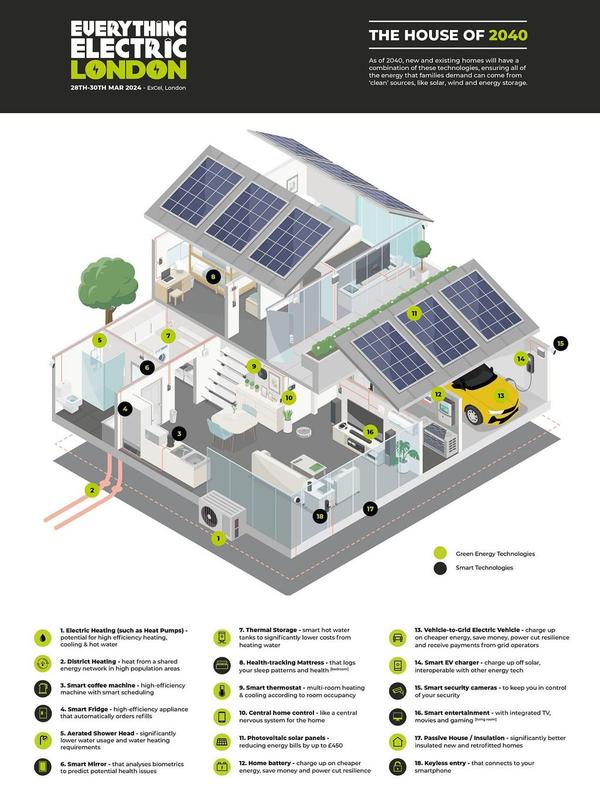
How Smart Home Batteries Could Solve Renewable Energy Storage

It all started for me one year ago. My energy provider in the UK asked if I’d like to take part in an energy saving trial. Being somewhat of an energy nerd, and Editor of a climate publication, I was likely to say yes anyway. But there was an extra sweetener — they would pay me for it. And in the middle of a cost of living crisis, with energy bills the highest in living memory, I happily plonked that sweetener in my cup of English Breakfast tea, gave it a stir, and gulped it down...

I Wrote A Book About Water: Here’s What I Learned

I’d already written one environmental book, plus several reports for the BBC on water issues. So writing my next book on the subject of the water crisis seemed a logical step when discussing it with my publisher in February 2020 — how hard can it be? The following month I had a book deal, but the world had a pandemic — I was locked down and thinking more about my family’s health and survival. The book now seemed impossible. And the words ‘how hard can it be?’ took on a whole new meaning...

Let's get social